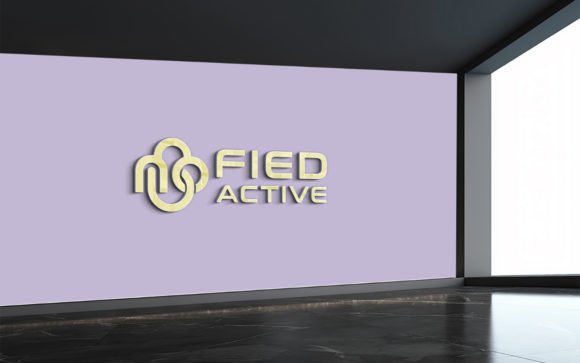
3D Logo Mockup Sign for Office Reception
Walking into a reception area and seeing a brand name rise off the wall in three dimensions changes how you perceive a business. That physical elevation signals permanence, confidence, and care for detail. A 3D logo mockup sign on office reception is more than decoration—it’s the first handshake between your brand and every visitor who steps through the door. Whether you are a designer pitching concepts or a business owner planning a renovation, understanding how to craft and use these signs can elevate your entire space.
Why a 3D Logo Sign Changes the Reception Experience
Reception areas set the emotional tone. A flat logo on a printed vinyl looks serviceable, but a three-dimensional sign engages the eye from multiple angles. Light catches the edges, shadows define the contours, and the logo becomes tactile even before anyone touches it. This sensory layer adds a subconscious message: we invest in how we present ourselves.
For designers and marketers, the 3d logo mockup sign on office reception offers a unique way to test materials, depth, and lighting before committing to fabrication. You can simulate brushed metal, acrylic with edge illumination, layered wood, or even polished stone surfaces. These mockups let you iterate quickly, showing stakeholders exactly how the final piece will interact with real-world light sources.
Creative Directions for Different Brand Personalities
Not every brand wants the same kind of presence. A law firm and a creative agency might both use 3D signs, but the execution should feel entirely different. Here are several approaches worth exploring:
Minimalist Floating Letters
Individual letters mounted with invisible standoffs create the illusion that the brand name hovers mid-air. This works well for tech startups, architecture studios, and luxury services. The mockup should emphasize thin gaps between letters and the wall, with soft shadows that reinforce the floating effect. Use spot lighting from above or below to exaggerate depth.
Backlit Acrylic Panels
When the logo is cut from transparent acrylic and illuminated from behind, it glows without harsh glare. This style suits healthcare practices, wellness brands, and modern hospitality venues. In a mockup, show the sign both lit and unlit, because daytime visitors see the polished surface while evening visitors see the glow. Place the sign against a matte wall to avoid competing reflections.
Layered Metal and Wood
Combining materials adds richness. A thick walnut base with brushed brass letters on top feels warm yet refined. This pairing works for boutiques, craft breweries, and consulting firms that want to communicate heritage. When creating a 3D mockup, texture maps matter—grain direction, metal brushing lines, and slight surface imperfections make the render believable.
Sandblasted Concrete or Stone
For industrial lofts, co-working spaces, and outdoor reception areas, a logo carved directly into a stone or concrete panel feels permanent grounded. The mockup should highlight the depth of the recess (usually 5–15 mm) and how shadows fill the carved areas during different times of day. A rough texture adds authenticity.
How Different Roles Can Use the Mockup
One of the strengths of a 3d logo mockup sign on office reception is its adaptability across professional contexts. Here is how specific audiences can get the most out of the approach:
Graphic Designers and Brand Identity Creators
Use the mockup as a client presentation tool. Instead of showing a flat PDF, insert the logo into a photorealistic reception scene. Change the wall color, lighting temperature, and camera angle to match the client’s actual office. This builds trust because clients can visualize the outcome before paying for fabrication. Include variations—one with wide-angle context and one close-up to show material detail.
Marketing Teams and Content Creators
Capture compelling visuals for social media and website case studies. A behind-the-scenes reel of the mockup turning into the real sign tells a story of craftsmanship. Short video clips rotating around the 3D model can work as hero content on LinkedIn or Instagram. Tag the fabrication partner and interior designer to expand reach.
Small Business Owners and Entrepreneurs
If you are opening a new office or rebranding, a mockup helps you compare quotes from different sign makers. When you know exactly how thick the letters should be and what finish you want, you avoid miscommunication. Ask the sign fabricator to provide a 3D rendering based on your brand guidelines. This small step prevents costly revisions later.
Freelancers and Solopreneurs
Even a home office reception area can benefit. A desk-mounted 3D logo plaque makes video calls look professional. Mockups let you test how the logo appears on camera at different zoom levels. Choose slim profiles that do not dominate the frame but remain readable.
Practical Tips for Keeping the Mockup Realistic
A mockup only helps if it feels true to the final product. Avoid these common traps that reduce credibility:
- Overly perfect lighting. Real reception areas have mixed lighting—overhead panels, windows, and accent spots. Use at least two light sources in your scene to imitate reality.
- Wrong scale. A logo that looks great on a 27-inch monitor might feel tiny on a 10-foot wall. Place a human silhouette next to the sign in your mockup to confirm proportions.
- Ignoring wall texture. Paint, wallpaper, brick, or paneling all affect how shadows fall. Match the wall finish to the actual location or choose a neutral option that makes the sign stand out.
- Flat materials. Even simple 3D renders benefit from subtle reflection maps and bump textures. Without them, the logo looks like plastic even if the real material will be metal.
Adapting Across Platforms and Contexts
The same 3D logo sign concept can serve multiple formats beyond a physical wall. Consider these adaptations:
- Digital mockups for pitch decks. Embed a realistic render directly into a slide. Use a dark background to make illuminated signs pop.
- Augmented reality previews. Some sign makers now let clients view a 3D logo through their phone camera placed against the actual wall. This bridges the gap between mockup and reality.
- Print catalogs and brochures. A high-contrast photo of the sign in its environment adds credibility to your portfolio. Pair the image with a short caption about the material choices.
- Virtual office tours. For businesses that operate remotely, a 3D sign prominently displayed in a virtual walkthrough strengthens brand identity even if no one visits in person.
Long-Term Value of a Well-Executed Reception Sign
Once the 3d logo mockup sign on office reception becomes a real installation, it works around the clock. Visitors remember the texture when they talk about your company. Employees feel a sense of pride every morning when they walk past it. In photographs, the sign anchors the background and reinforces brand recall. Unlike digital ads that disappear after a campaign, a physical sign compounds its impact over years.
When you plan your next reception refresh, start with a 3D mockup that tests materials, scale, and lighting. Share it with your team, your fabricator, and a few trusted clients. Ask them what emotions the sign evokes—because that feedback tells you whether the design is doing its job. The best signs fade into the background just enough to feel natural, yet remain impossible to ignore. That balance is what makes a 3d logo mockup sign on office reception a lasting asset rather than just another decorative piece.