Evaluating Abstract 3D Geometric Wrap Ball Elements for Modern Design Projects
Visual assets that offer both structure and flexibility have become essential in contemporary design workflows. Among the more intriguing options available to creators today are abstract 3D geometric wrap ball elements. These assets combine the mathematical precision of geometric forms with the organic versatility of wrapped surface treatments, producing results that feel modern yet grounded. Whether you are building a brand identity, designing a landing page, or producing motion graphics, understanding what these elements offer and how they perform in practice can help you decide if they deserve a place in your toolkit.
What Are Abstract 3D Geometric Wrap Ball Elements
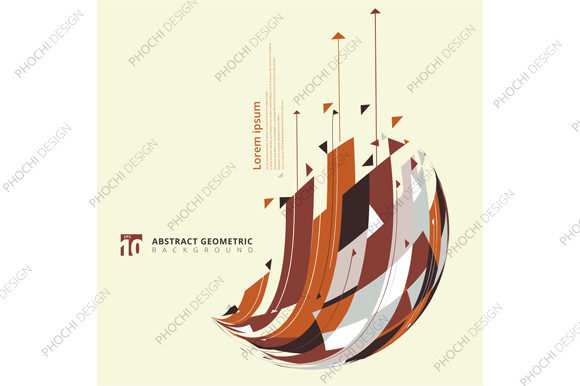
At their core, abstract 3D geometric wrap ball elements are three-dimensional spherical forms covered in geometric patterns, grids, lattices, or faceted structures. The wrap treatment applies a surface texture or mesh that follows the curvature of the sphere, creating a cohesive, dimensional look. Unlike flat geometric patterns or simple gradient spheres, these elements combine volume with intricate surface detail. The result is a visual artifact that reads as both sculptural and technical.
These assets are typically rendered in 3D software such as Blender, Cinema 4D, or Houdini, often provided as pre-rendered PNG sequences, OBJ or FBX files, or as layered Photoshop or After Effects templates. The best examples maintain clean topology, consistent lighting, and thoughtful color palettes that integrate well into existing design systems.
Key Characteristics That Define Quality in Geometric Wrap Ball Assets
Not all abstract 3D geometric wrap ball elements are created equal. High-quality assets share several distinguishing traits that affect how well they perform in real-world projects.
Surface Resolution and Topology
The quality of the geometric wrap depends heavily on how the surface geometry is constructed. Low-poly wraps may appear jagged or uneven when the sphere rotates, while well-constructed assets maintain clean edges and consistent facet sizes. For printed materials or high-resolution digital displays, look for assets that specify polygon counts and UV mapping details. A well-mapped sphere ensures that the geometric pattern wraps evenly without distortion at the poles.
Lighting and Material Consistency
Abstract 3D geometric wrap ball elements often rely on lighting to define their form. Assets that include built-in shading, ambient occlusion, or reflective materials offer a more polished look out of the box. However, consistency matters. If you plan to use multiple spheres in one composition, ensure the lighting direction, intensity, and color temperature match across all assets. Discrepancies here can break the illusion of a unified scene.
Color Palette and Customizability
Look for assets that provide color variation or easy methods for recoloring. The most flexible options offer separate control over the sphere base color, the wrap pattern color, and the highlight or shadow tones. Some assets come with preset color schemes that range from monochromatic metallics to bold duotones. The ability to adjust these parameters significantly extends the asset's useful life across different projects.
Practical Value in Real-World Design Workflows
Abstract 3D geometric wrap ball elements serve as versatile building blocks rather than finished pieces. Their value lies in how easily they integrate into broader compositions and how much visual interest they add with minimal effort from the designer.
Brand Identity and Visual Systems
For branding projects, these elements can function as hero visuals, background accents, or repeating motifs. A technology company, for instance, might use a metallic geometric wrap sphere as a logo mark or as a supporting graphic on their website and presentation decks. The geometric structure conveys precision and innovation, while the spherical form adds approachability. Marketers and brand strategists find that such assets help create a cohesive visual language without requiring custom 3D rendering for every application.
Motion Graphics and Video Content
In motion design, abstract 3D geometric wrap ball elements shine when animated. Spinning spheres with rotating wrap patterns create hypnotic transitions, loading sequences, or title backgrounds. Freelancers and creators working on explainer videos or social media content can use these assets to add depth and motion without building complex 3D scenes from scratch. Many pre-rendered assets come as alpha-channel video files, making compositing straightforward in Premiere Pro, After Effects, or DaVinci Resolve.
Web and UI Design
For web designers and small business owners building modern landing pages, a single abstract 3D geometric wrap ball element can serve as a focal point that draws the eye. When used sparingly, it adds a premium, futuristic feel without slowing page load times if exported as optimized WebP or SVG. Some UI designers use simplified versions of these spheres as interactive elements, though real-time 3D rendering on the web remains a consideration for performance.
Who Benefits Most from Using These Assets
While abstract 3D geometric wrap ball elements appeal to a broad audience, certain professionals will find them especially useful.
- Graphic designers and art directors working on tech, gaming, or fintech projects often need assets that communicate innovation and precision. These spheres fit naturally into those contexts.
- Motion designers and video editors who need ready-to-animate elements can save hours of 3D rendering time by using pre-built assets with transparent backgrounds.
- Entrepreneurs and small business owners building their own marketing materials benefit from assets that look polished without requiring advanced 3D skills.
- Educators and course creators can use these visuals in presentation slides, course thumbnails, or promotional graphics to add visual variety and reinforce key concepts.
- Bloggers and publishers covering design, technology, or futurism may use geometric wrap balls as featured images or section dividers that align with their visual brand.
That said, these assets may be less suitable for projects that demand organic or handcrafted aesthetics. A food blog, a wedding photography site, or a wellness brand might find the geometric precision too cold or impersonal. Context matters, and the best designers match their asset choices to the emotional tone they want to convey.
Quality, Usability, and Long-Term Value Considerations
When evaluating any creative asset, it pays to consider not just how it looks in a demo but how it holds up over repeated use across varied projects.
Usability Across Software Ecosystems
The most versatile abstract 3D geometric wrap ball elements are those provided in multiple formats. Vector-based wrap patterns can be scaled infinitely, while high-resolution raster renders work for video and print. Assets that include editable 3D model files allow advanced users to customize lighting, camera angles, and materials. Check the product description carefully. If you work primarily in Affinity Designer or Figma, assets delivered as PSD or AI files may require adjustment. For motion work, look for ProRes or PNG sequences with alpha channels rather than heavily compressed formats.
Consistency Across a Set
If you plan to purchase a collection of abstract 3D geometric wrap ball elements, evaluate how well the individual pieces work together. Do they share a common lighting setup? Are the geometric scales complementary? A set where one sphere uses fine grid lines and another uses large hexagons may feel disjointed when used side by side. The best collections offer thematic consistency while providing enough variation to create visual interest.
Reliability in Commercial Use
Licensing matters, especially for entrepreneurs and marketers using these assets in client work or commercial campaigns. Always verify whether the asset license covers commercial use, redistribution, and modification. Many marketplaces offer standard and extended licenses. For brands that anticipate high visibility or large-scale distribution, investing in a license that covers unlimited use eliminates future complications.
Long-Term Value
Abstract 3D geometric wrap ball elements that offer modularity hold their value longer. A set of spheres with interchangeable wrap patterns, color controls, and animation presets can serve dozens of projects over several years. Compare this to a single rendered image, which loses its novelty after one use. The upfront cost of a well-designed, customizable set often pays for itself in time saved and creative output gained.
Realistic Examples of Use
Consider a freelance motion designer creating a title sequence for a tech podcast. Using an abstract 3D geometric wrap ball element as the central visual, they animate it to rotate slowly while the wrap pattern shifts colors to match the podcast's brand palette. The result looks custom-built but took minutes to assemble. Without this asset, achieving the same effect would require modeling, texturing, lighting, and rendering a sphere from scratch—a process that could take several hours.
Another example: a small business owner launching a cybersecurity service needs a hero image for their website. They select an abstract 3D geometric wrap ball element with a dark metallic finish and blue neon accents. Placed alongside clean typography and a minimal layout, the sphere communicates security, complexity, and modern technology. The owner avoids the cost of a custom 3D render while still presenting a professional, distinctive visual.
Possible Limitations to Keep in Mind
No asset type is perfect for every scenario. Abstract 3D geometric wrap ball elements come with a few practical limitations worth acknowledging.
First, they can feel played out if used too frequently. The aesthetic has gained popularity in tech and crypto branding, and audiences may perceive it as generic if not paired with original typography, color choices, or composition. Differentiation matters. Use these elements as a foundation, not a crutch.
Second, pre-rendered assets limit camera control. If you need to view the sphere from a specific angle not included in the asset set, you may find yourself unable to achieve the desired composition. Relying on pre-rendered assets works best when your layout is already defined.
Third, performance can be a concern in real-time applications. Using 3D geometric wrap balls on a website as interactive elements requires optimized models and careful testing across devices. Heavy polygon counts or large texture files can slow load times significantly.
Final Thoughts on Fit and Practical Use
Abstract 3D geometric wrap ball elements occupy a useful middle ground in the design asset landscape. They require more skill to integrate than a simple icon but far less expertise than building a custom 3D scene. For professionals who need visual impact without the overhead of full 3D production, they offer a practical shortcut to polished results. The key is selecting assets that prioritize clean geometry, flexible customization, and consistent lighting. When used with intention and restraint, these elements elevate projects across branding, motion, and web design. When used carelessly, they risk blending into the visual noise. Approach them as tools to support your creative vision, not as substitutes for it, and they will serve you well across a wide range of professional work.